Episode 155: Elizabeth May Herlihy & ACPI
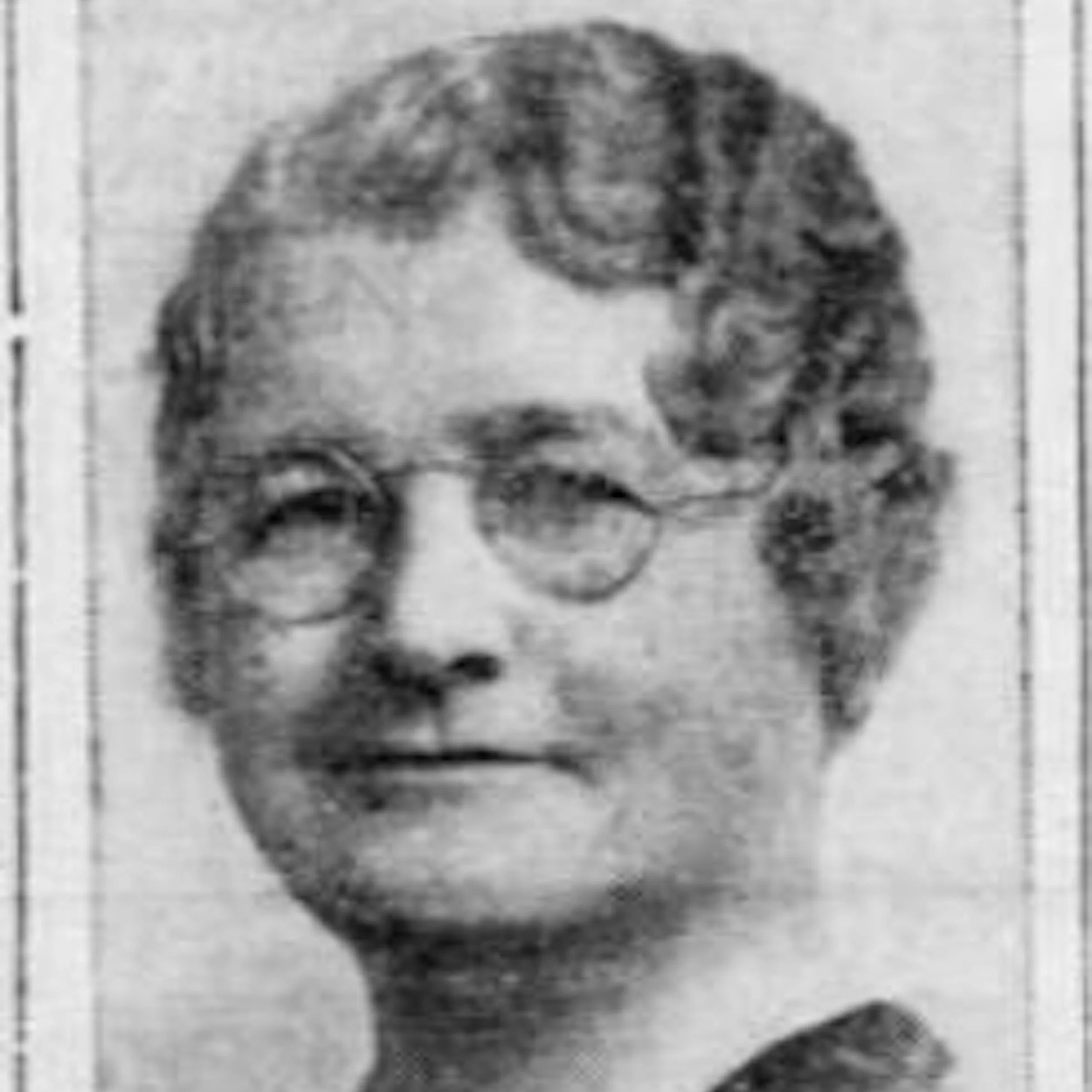
Elisabeth May Herlihy was one of the trailblazing women who helped shape the future of Boston long before women were commonly seen in urban planning. Born on March 12th 1880 and raised in the city, Elisabeth dedicated her career to figuring out how Boston could grow in smarter, more connected ways. She worked on everything from transportation and housing to long-range planning, always with the goal of making the city work better for the people who lived there. One of her biggest contributions was helping develop the early concept for Boston's Central Artery, an elevated highway that would later become one of the city's most well-known transportation projects and eventually be transformed through the Big Dig. While the project changed over the years, Elisabeth's early ideas helped influence the future of Boston's transportation network. What made her stand out wasn't just her technical knowledge, it was her belief that good planning should improve everyday life, not just move cars from one place to another. At a time when women had to work twice as hard to be taken seriously in the profession, Elisabeth earned the respect of her peers through her expertise, determination, and forward-thinking ideas. Although she isn't a household name today, her impact can still be seen throughout Boston, and her career helped pave the way for generations of women in urban planning and public service. Elisabeth's story is a reminder that some of the biggest influences on our cities come from people whose names we don't hear often but whose vision continues to shape the places we live every day.

Caryatid: Corrin Wendell, FAICP
Corrin Wendell is an urban planner, educator, and passionate advocate for getting young people involved in shaping their communities. Trained in both architecture and city planning at The Ohio State University, she spent more than 20 years working across urban design, land-use planning, community development, zoning, and public engagement before founding Youth Engagement Planning (YEP!). numerous awards for leadership, education, and public service within the planning profession.
YEP! got its start in 2006 as a graduate school project. Corrin Wendell and Monica Tibbits-Nutt were tasked with creating a "Planners' Day in School" curriculum to introduce K–12 students to the world of urban planning. What began as a simple educational resource quickly evolved into a national nonprofit dedicated to helping young people understand how cities are shaped and empowering them to have a say in the future of their communities.
Today, YEP! works with students across the country through workshops, school programs, and hands-on activities that teach planning, civic engagement, leadership, and advocacy. The organization's mission goes beyond career awareness—it aims to empower youth, especially those from underserved communities, to participate in community decision-making and see themselves as future planners, public servants, and changemakers. YEP! also provides resources and training for planners who want to meaningfully involve young people in the planning process.
At its core, YEP! is built on a simple idea: Corrin and the folks at YEP believe that “young people aren't just the future of our communities—they have valuable perspectives that can help improve them right now.
-
This transcript was prepared during the development of the episode.
Final recorded episode may deviate slightly from the content presented below as changes, edits, or improvements may be made during the recording and editing process.
Jessica: Hi! Welcome to season 15 of She Builds Podcast, where we share stories about women in the design and construction field, one lady at a time.
Lizi: This season's theme is: Collective Impact. Exploring AEC organizations and professionals shaping a more inclusive and innovative built environment.
Norgerie: Quick disclaimer: we are not experts; we are just sharing stories about the information that we find, as friends having a fun conversation. If you find an error, send us an email and we will all continue learning.
Jessica: Today, we are going to tell the story of Elisabeth May Herlihy, the Matriarch of Urban Planning in Boston, a pioneer of the American City Planning Institute, which was the predecessor of the American Planning Association (APA)
Jessica: I’m Jessica Rogers, getting ready to welcome July, based out of Miami, FL
Lizi: Hi, I’m Lizi Raar, excited for summer coming to you from Chicago, Illinois!
Norgerie: And I'm Norgerie Rivas, already missing June, in Houston, Texas.
Jessica: So our story begins on March 12, 1880, in Wilton, New Hampshire (my Grammy’s bday) - Elisabeth May Herlihy was born.
Lizi: Great name. I love her already.
Norgerie: Welcome Elisabeth, sharing a birthday with Grammy in a few years.
Lizi: New Hampshire! Live free or die.
Jessica: She was the daughter of Irish immigrants, John and Catherine - not sure what they did, but I also know that she was the youngest of eleven kids.
Norgerie: They procreated; that's what they did!
Lizi: hahaha
Jessica: So that’s enough of her childhood - we fast forward to Elisabeth as a young adult, who moves to Boston to work in the government doing clerical work. She would work her way up to become Mayor John Fitzgerald's right hand as chief clerk, overseeing the city’s administrative work.
Norgerie: Oh, that was a quick childhood story for you! But ok, we’ve arrived at the good stuff she’s working her way up, go Elisabeth
Jessica: In 1913, she had convinced the Mayor to appoint her as a secretary of the proposed Boston Planning Board - it officially got established in 1914.
Lizi: Way to go girl!
Norgerie: Oh Elisabeth had connections and knew how to work them!
Lizi: Yeah she really did. Very impressed that she did this at this point in history. She clearly was good at what she did.
Jessica: In this role, Elisabeth got involved in research, policy development, and communication between city officials and planning experts. This was her introduction to Urban Planning and policymaking, and, with her political connections, made her role indispensable.
Lizi: Yessss make yourself a critical player.
Norgerie: Really liking this.
Jessica: What made this so great was that in 1914, this was a pivotal time in Boston. The Boston City Planning Board is considered to be one of the earliest municipal planning agencies in the United States.
Norgerie: That’s really interesting!
Lizi: Yeah, I had no idea.
Jessica: Yeah, so she was involved in the early development of Boston’s early planning policies - this includes transportation and street systems. So she is indispensable because she was very hands-on in her role - she was shakin and bakin with everyone - the coordination of the engineers and planning experts, and she helped communicate planning initiatives to the public.
Lizi: Wow! No kidding, she’s doing everything from project management to marketing.
Jessica: This would lead to Elisabeth being invited to join the American City Planning Institute, a predecessor of the American Planning Association, in 1927, making her the first female member to join.
Norgerie: Awesome!
Lizi: I’m glad they wanted her to join!
Jessica: Okay, so let's talk about the American City Planning Institute.
Norgerie: I was just about to ask.
Lizi: Yes, tell us everything.
Jessica: So we begin in the early 1900s - city planning isn’t really a thing - At least not in a professional sense. We’ve mentioned it with some of our ladies - Cities are dealing with housing shortages, growing populations, poor sanitation, and overcrowded neighborhoods
Norgerie: Seriously, during my research for episode 24 Catherine Bauer, I watched a documentary she worked on called The City, in 1939, it is scary scary stuff. The overcrowding, the unsanitary conditions, the lack of any codes and safety… yeah scary stuff.
Lizi: Yeah we’ve talked about the state of cities during this time on many episodes. It also makes me think of Frances Perkins and the Triangle Shirtwaist Factory fire which was a catalyst to building codes and safety measures. It also makes me think about Jane Addams and Hull House, the first US settlement house. We could go on and on.
Jessica: With some of our ladies, they were policy makers, community advocates, and architects - the point is that they weren’t, quote unquote “City Planner” -
Norgerie: Because that was not a profession yet?
Jessica: Correct- there was no such thing! Cut to 1909 when the first National Conference on City Planning held in Washington, DC. This was the first time people got together to share ideas and discuss what the future of American Cities should look like. And there it was, the first time that the idea of planning should become its own profession.
Norgerie: So it's a 20th century profession.
Lizi: I’m loving learning the origins of urban planning.
Jessica: So this led to the creation of the American City Planning Institute in 1917. Essentially, it’s the first professional association for city planners. The goal was to bring legitimacy to the field by creating professional standards and a network of practitioners.
Norgerie: They organized themselves pretty fast, within 10 years.
Lizi: Yeah that was quick. I like their moxy.
Jessica: You can probably predict that at its inception, the group was mostly all male.
Norgerie: Of course.
Lizi: Yeah, no surprise.
Jessica: Enter 1927 - and Elisabeth joins the group as the first female member!
Lizi: Woo!
Norgerie: Only a decade later, not too bad.
Lizi: Yeah I was wondering when you mentioned 1927 earlier, how soon it was in the urban planning days.
Jessica: What was great is that Elisabeth didn’t have any formal training in city planning, but she had built her reputation through her experience and accomplishments.
Norgerie: Well, who did? The profession was so new, I bet you the others had similar stories. But that doesn't make Elisabeth's tenacity any less impressive.
Lizi: Agreed! But I get what you mean that she didn’t have formal education in architecture or any adjacent profession.
Jessica: Going a few years prior to her becoming a member - let’s talk more about her work.
So in 1924, zoning became a thing in Boston - in the world of city planning, this was considered cutting-edge. This was the time that the city was divided into zones like residential, business, and industrial.
Lizi: I’m loving all this history into planning.
Norgerie: such a foreign concept in Houston.
Lizi: Still wild to me that the city has no zoning.
Jessica: Things like setback requirements were created, building heights in certain neighborhoods, and density regulations. Elisabeth was a part of all of it - collecting information, coordinating, and supporting policy development - she kinda reminds me of Francis Perkins but with city planning.
Lizi: Absolutely!
Norgerie: Yes!! Gather that data, Elisabeth. Bring policy makers together, make it all work!
Jessica: The next big thing that she worked on was a transportation study for the city of Boston that Elisabeth championed. It looked at street development, the evolution of transportation, and future mobility needs. This was to address the rise of automobile congestion.
Norgerie: God's work.
Lizi: hahaha. Knowing the US’s relationship to the car, this sounds like it would be transformational.
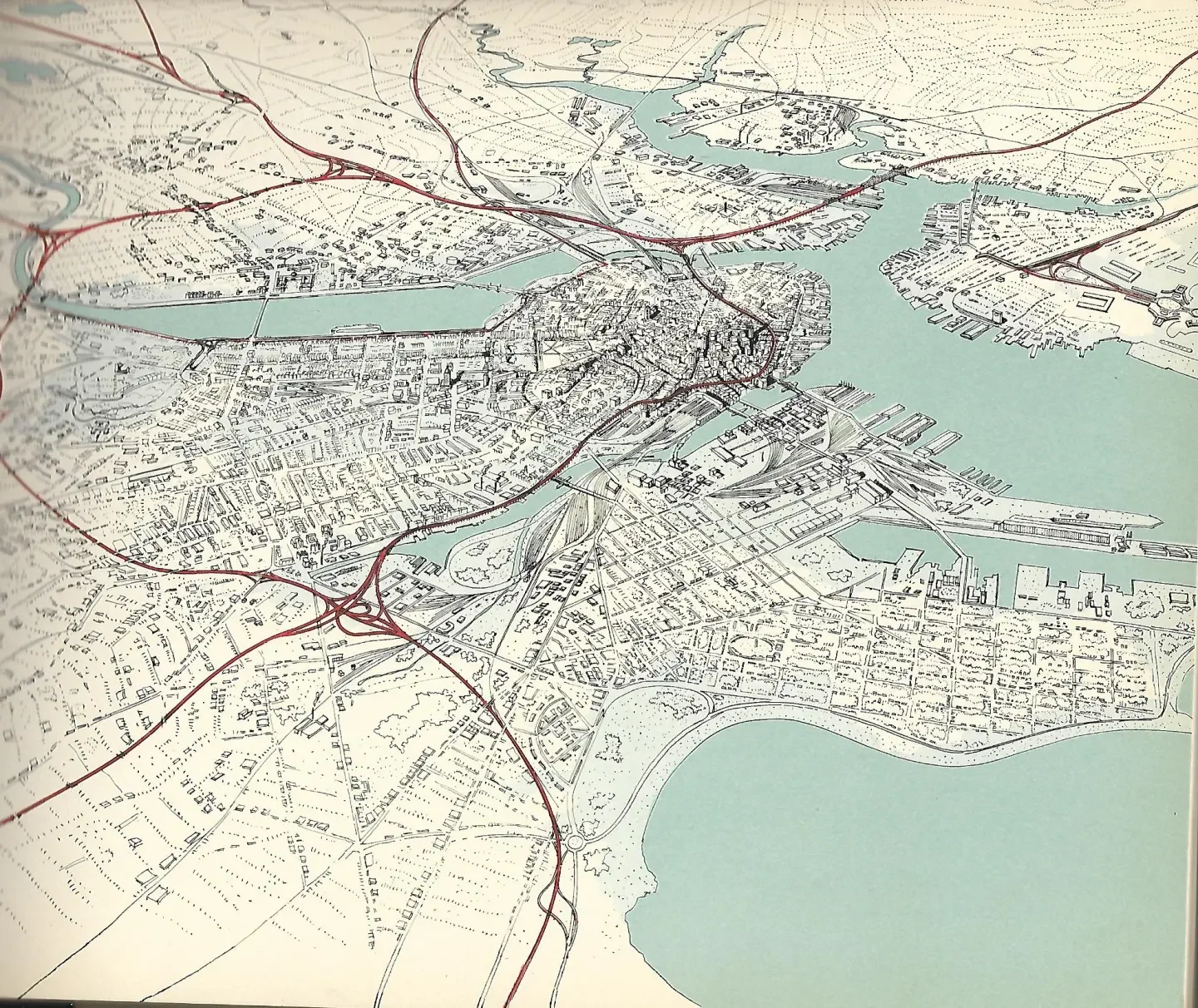
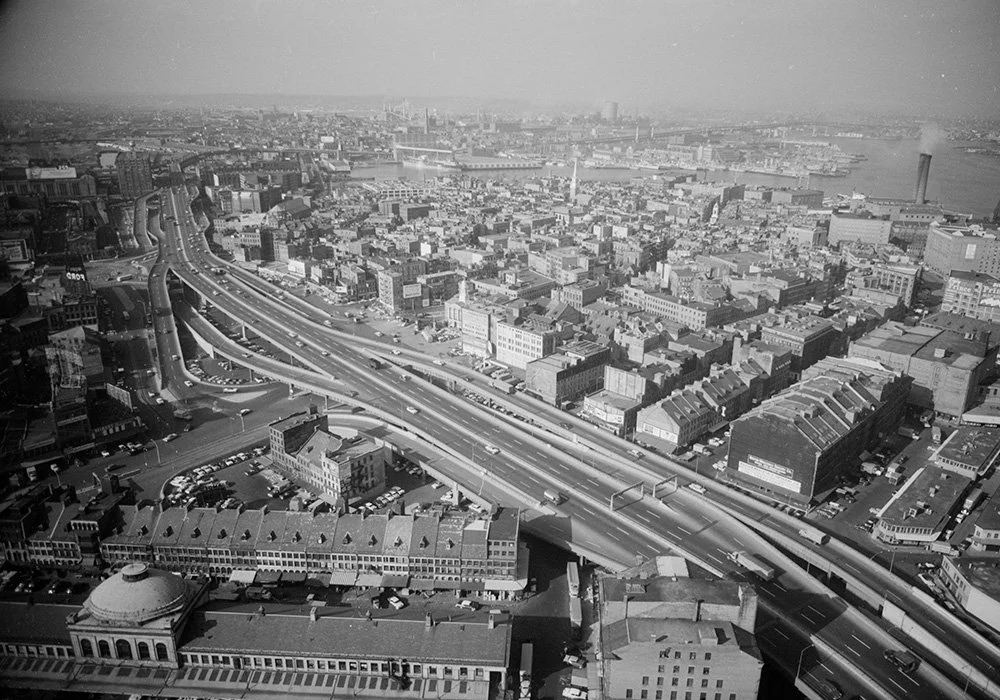
Jessica: This study would eventually establish the central artery for the city of Boston
Norgerie: The Central Artery started out as an elevated highway in the 1950s, that infamously divided Boston's downtown from its historic waterfront and became one of the most congested roadways in the U.S. To fix this, the city undertook the massive, multi-billion-dollar infrastructure megaproject known as the Big Dig aka Central Artery/Tunnel Project
Lizi: Yessss we talked about this a lot more on Episode 35, Carol Johnson, who worked on this project.
Jessica: So, Elisabeth became a part of a lot of these major initiatives that would become things that still exist today.
Norgerie: Was Elisabeth a part of the Big Dig too?
Lizi: I assume not since that is much more modern?
Jessica: You are right, Lizi - the Big Dig came way after - but the work that Elisabeth did was kinda like the precursor that would later become the Big Dig by our girl Carol. Elisabeth is praised for being a major figure in the planning board, while political leadership changed across decades - Elisabeth was still involved.
Norgerie: A true bipartisan then.
Lizi: Yeah that’s huge.
Jessica: Her reputation followed her - as she then became the chair of the Massachusetts Planning Board in 1942
Lizi: Woah!
Norgerie: Oh snap! She's running it now!
Jessica: She was now a part of the planning across the whole state. Would y’all help me list some of these?
Norgerie: Ok
Jessica: I can start - in 1943, the first comprehensive statewide planning document was released - that guided decisions on land use, agriculture, forestry, airports, and state parks.
Lizi: In 1946, Massachusetts began passing laws that limited local zoning restrictions when they conflicted with broader housing needs laying the groundwork for future affordable housing policies.
Norgerie: in 1948, after WWII they coordinated the use of unused state-owned land that could help address the housing shortage for returning veterans
Jessica: It is said that through these efforts, it reflected Elisabeth’s beliefs that planning should look beyond individual cities and address housing, transportation, and growth at a statewide scale.
Lizi: I like that she wanted to consider the larger context and not just the micro-scale. Which is critical for urban planning.
Jessica: In 1950, Elisabeth would retire; 300 civic leaders attended a testimonial dinner honoring her retirement. The event proved to be an emotional one - a quote I read said that “the city of Boston bears your fingerprints”. She had worked with the planning board for 36 years.
Lizi: Oh wow! That’s so amazing that so many people came to this and that she was so well honored and recognized for her accomplishments! I’m glad she got to receive the praise while she was still alive and see the impact of her work.
Norgerie: What Lizi said.
Jessica: 3 years after retiring, Elisabeth would pass away at the age of 73.
Norgerie: Wow. She achieved so much during her lifetime.
Lizi: She really did it. It sounds like she made a huge impact on Boston and Massachusetts and really made a mark on planning in general. Very glad we got to learn about her today!
Jessica: Alright, now we have reached the second half of our episode the Caryatid, this is where we select a woman living today who is doing her thing, furthering the profession, and whose work continues to hold the profession up just like the caryatids or columns shaped like women found on greek style buildings.
Jessica: Corrin Wendell!
Whoo
Jessica: Corrin Wendell is an urban planner, educator, and passionate advocate for getting young people involved in shaping their communities. Trained in both architecture and city planning at The Ohio State University, she spent more than 20 years working across urban design, land-use planning, community development, zoning, and public engagement before founding Youth Engagement Planning (YEP!). numerous awards for leadership, education, and public service within the planning profession.
Lizi: Wow, she’s done all the things, but tell us more about YEP.
Jessica: Youth Engagement Planning (or YEP!) got its start in 2006 as a graduate school project. Corrin Wendell and Monica Tibbits-Nutt were tasked with creating a "Planners' Day in School" curriculum to introduce K–12 students to the world of urban planning. What began as a simple educational resource quickly evolved into a national nonprofit dedicated to helping young people understand how cities are shaped and empowering them to have a say in the future of their communities.
Lizi: Very cool.
Today, YEP! works with students across the country through workshops, school programs, and hands-on activities that teach planning, civic engagement, leadership, and advocacy. The organization's mission goes beyond career awareness—it aims to empower youth, especially those from underserved communities, to participate in community decision-making and see themselves as future planners, public servants, and changemakers. YEP! also provides resources and training for planners who want to meaningfully involve young people in the planning process.
Norgerie: I would have been all about this as a teenager.
Lizi: I love this. What a great way to both teach kids about cities, but also inspire future urban planners.
Jessica: At its core, YEP! is built on a simple idea: Corrin and the folks at YEP believe that “young people aren't just the future of our communities—they have valuable perspectives that can help improve them right now.
Norgerie: Agreed!
Jessica: Before we say goodbye we want to say thank you to CMYK for the music, John W our technical advisor. And most of all thank you for listening!
Lizi: Remember to check out our show notes for links to all of our resources on this episode as well as pictures of projects we’ve talked about.
Norgerie: We hope you enjoyed learning about today’s lady and caryatid along with our banter, and that you are inspired to find out more about them and other amazing professional ladies. Again, thank you.
jessica: She Builds Podcast is a member of the Gābl Media podcast network. Gābl Media is curated thought leadership for an audience dedicated to building a better world. Listen and subscribe to all the shows at gablmedia.com. That’s G A B L media.com.
Lizi: Please let us know what you thought of our episode. If you’ve enjoyed it please help us spread the word. Tell your friends and give us 5 stars on Itunes and Spotify, and write us a review, this will all help us reach a wider audience and for more people to learn about these amazing ladies with us.
Norgerie: Your support means everything to us. If you’ve enjoyed our content and want other ways to help us with our mission, you can support us by visiting our website for merchandise.
Lizi: If you don’t need any more swag, but you’d still like to consider supporting the research we’re doing, you can donate to us on our website shebuildspodcast.com/donate or you can buy us a coffee at buymeacoffee.com/shebuildspodcast. You can also find links to all of these items on our website.
Jessica: We are excited to hear from you and for you to come back and keep learning about bosses with us. You can email us your thoughts at shebuildspodcast@gmail.com, leave a comment on our website shebuildspodcast.com, or follow us on instagram and facebook @shebuildspodcast, and on X @shebuildspod. See ya!
References
“Elisabeth May Herlihy: A Matriarch of Urban Planning in Boston.” American Planning Association, www.planning.org/blog/9325961/elisabeth-may-herlihy-a-matriarch-of-urban-planning-in-boston.
Elisabeth May Herlihy Papers, 1914-1960. www.masshist.org/collection-guides/view/fa0115.
Orfant, Joe. “The Woman Who Invented the Central Artery.” Building Blocks, 8 Mar. 2022, theonlyjoeorfant.com/2019/02/06/the-woman-who-invented-the-central-artery.
“Planning History Timeline.” American Planning Association, www.planning.org/timeline.
She Builds Podcast is a proud member of the Gābl Media network. Come join us!
Introducing the Gābl Media AEC Community Memberships. An interactive community platform for you, our audience! Ready to Start? JOIN NOW. Already a member? Login, gain instant access to the community, resources, and the most convenient way to get your continuing education credits.
Be sure to check out: https://gablemedia.com/shebuilds