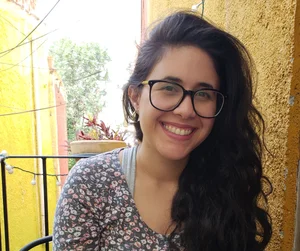
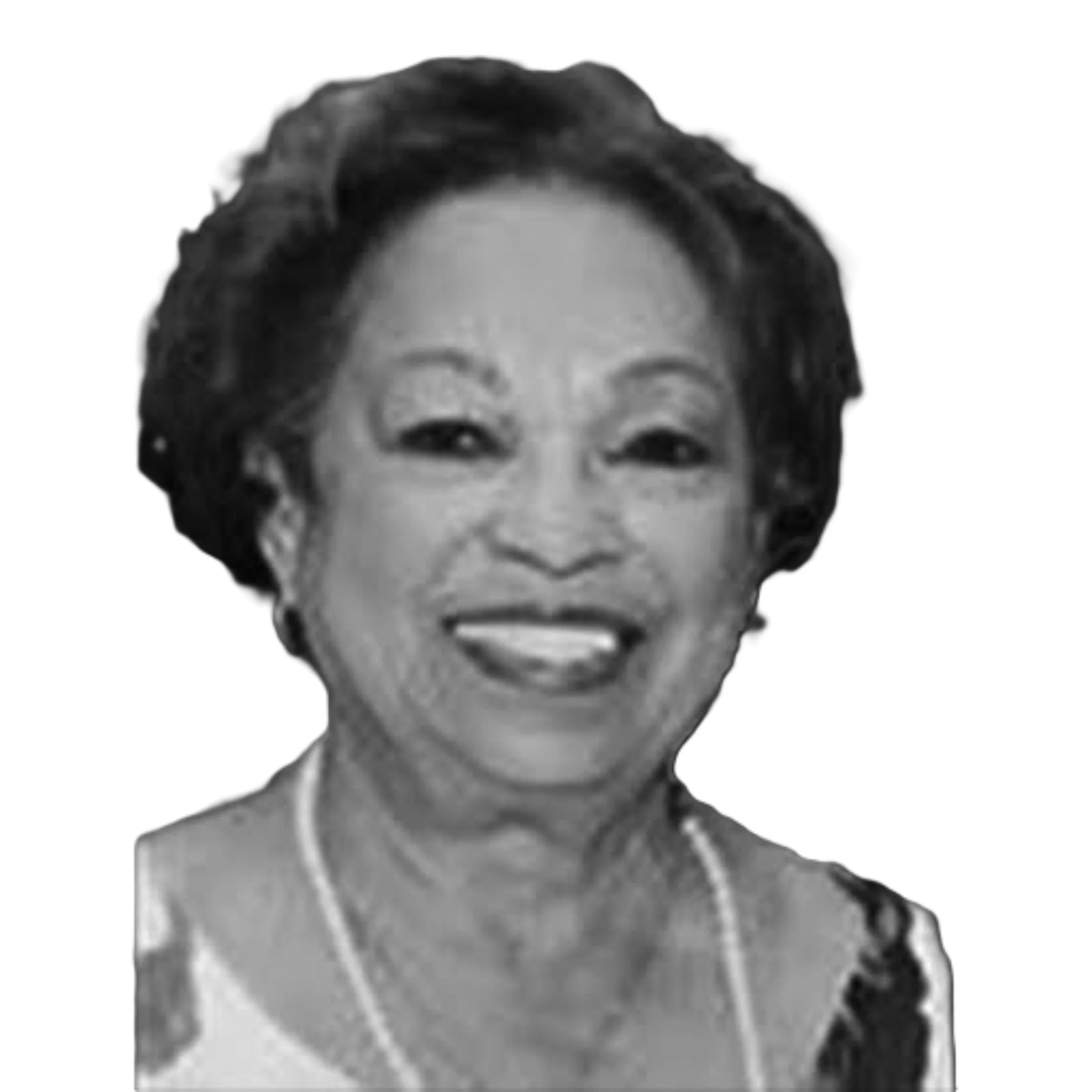
Episode 152: Drucie Chase & NOMA
The National Organization of Minority Architects (NOMA) was founded in 1971 by a group of African American architects who sought to advance the visibility, professional development, and opportunities of minority architects. Initially formed to address barriers and discrimination within the architecture and construction industries, the organization grew into a national network advocating for equity and representation in the built environment.
While NOMA’s founding members are well documented, women—particularly the founders’ wives—played an important but often overlooked role in the organization’s early development. According to accounts from those involved, these women carried out much of the behind-the-scenes work, including organizing meetings, making phone calls, coordinating outreach efforts, and building the support networks that helped NOMA grow. They also organized the 1971 gathering in Nassau, Bahamas, recognized as NOMA’s first official meeting.
Among these contributors was Drucie Chase, wife of founding member John S. Chase, the first African American licensed architect in Texas and a future NOMA president. Drucie was involved during the organization’s formative years and participated in the efforts that helped establish and sustain NOMA in its early stages.
Beyond her support of NOMA, Drucie Chase built a legacy of service through education, community engagement, and civic leadership. A teacher by profession, she later dedicated significant time to fundraising, organizing community events, and serving on the boards of numerous cultural and educational institutions in Houston. Her commitment to public service and community development continued throughout her life. She passed away on January 19 2021.
Caryatid: Cheryl McAfee & Roberta Washington
Cheryl McAfee is an architect, business leader, and advocate who broke barriers throughout her career. In 1990, she became the first woman licensed to practice architecture in Kansas and later helped lead the design and construction of all 33 venues for the 1996 Atlanta Olympic Games. A longtime member of NOMA, she made history in 1995 as the organization’s first female president, paving the way for future generations of women architects.
Roberta Washington is an architect, historian, and advocate whose career has combined design, scholarship, and leadership. After earning architecture degrees from Howard University and Columbia University, she worked on housing and hospital projects in Mozambique before founding Roberta Washington Architects in 1983, one of the few U.S. architecture firms led by an African American woman at the time. In 1997, she became NOMA’s second female president and continues to support the organization through leadership and service.
-
This transcript was prepared during the development of the episode.
Final recorded episode may deviate slightly from the content presented below as changes, edits, or improvements may be made during the recording and editing process.
Norgerie: Hi! Welcome to season 15 of She Builds Podcast, where we share stories about women in the design and construction field, one lady at a time.
Jessica: This season's theme is: Collective Impact. Exploring AEC organizations and professionals shaping a more inclusive and innovative built environment.
Lizi: Quick disclaimer: we are not experts, we are just sharing stories about the information that we find, as friends having a fun conversation. If you find an error, send us an email and we will all continue learning.
Norgerie: Today we want to shine a spotlight on the National Organization of Minority Architects aka NOMA, Drucie Chase, wife of founder John Chase, who contributed to the organization from the beginning.
Jessica: Exciting!
Norgerie: I’m Norgerie Rivas, excited for Jessica and Lizi who have a She Builds Podcast Trip coming up, while I’ll stay where I am right now, in Houston, Texas.
Jessica: Hi, I’m Jessica Rogers, excited to be heading to Charleston this week for the Women in Construction Conference, based out of Miami, FL
Lizi: Hi, I’m Lizi Raar, Packing and creating the itinerary for Charleston coming to you from Chicago, Illinois!
Norgerie: Ok let's get this party started. The time was June 20 to 24 of 1971. The place, The AIA National Convention in Detroit, Michigan. A group of African-American architects from all over the United States met to discuss how important it was to start an organization with a mission to advance the visibility and professional development of minority architects.
Jessica: here here,
Lizi: I’m already loving the direction we’re heading.
Norgerie: Talks were probably a-brewing much earlier, but all the resources state this at the starting point. And let me tell you these people meant business, they were not all talk and no action. They got together again on November 12, 1971 at the Paradise Island Hotel in Nassau, Bahamas and invited others to take part in the meeting.
Jessica: talk about an invitation? Twist my arm why don’t ya - and let’s go to the Bahamas! You know I’ve heard this story or at least the part of it stemming from an AIA Convention …. I don’t remember hearing the part that they met at the Bahamas hahaha
Lizi: Yeah! I was thinking the same thing. I would not say no to a trip to the Bahamas!
Norgerie: I searched why this location, but couldn’t find the answer. Maybe the right question is why not meet to discuss important work by the beach?
Lizi: Exactly. No other reason needed.
Norgerie: The official documented founding members present were 14 architects, so bear with me because I’m about to hit you with a lot of names and quick backgrounds.
Lizi: Ok, I am ready.
Jessica: let’s do this.
Norgerie: William M. Brown Jr. from New Jersey; Leroy Campbell based in Washington DC; Wendell Campbell who had a firm in Chicago, John S. Chase, the first African American licensed to practice architecture in the state of Texas and to be elevated to the AIA College of Fellows; James C. Dodd, known as Sacramento California’s first African American architect, Louis Fry Sr. academic and firm owner in Washington DC; Kenneth G. Groggs, the first African American to serve as Illinois State Architect. Nelson Arthur Harris , Sr, who had the first Black owned architecture practice in Illinois; Jeh Vincent Johnson, who in 1967, was appointed by President Johnson to serve on the National Commission on Urban Problems. Pedro F. Lopez, firm owner licensed in New York and New Jersey, E.H. McDowell, first black architect registered in Kansas and accepted by the AIA in the state of Kansas; Robert J. Nash, who owned a firm in Washington DC and was the first black architect elected to national AIA office, Harold Williams who owned a firm in Los Angeles California and practiced architecture for over fifty year, and last in this list but certainly not least Robert Wilson, who was incredibly connected and involved throughout industry organizations, universities, publications, architecture, real estate, you name it he was probably doing it.
Lizi: You weren’t kidding haha.
Jessica: all pioneers and trailblazers. Might I add some of these men are still living today. I attended the NOMA conference last year in Kansas and it’s inspiring to see the organization mention and recognize these men and saying their names outloud.
Norgerie: They expanded their mission to be for minority design professionals to work together to fight discriminatory policies that limit or bar minority architects from participating in design and construction programs.
Lizi: Great mission.
Norgerie: It would be really great in the near future to do a charrette where we can deep dive more on NOMA because I’d love to learn how did they go about expanding their mission in their early days? What were their first initiatives? How did they grow to other cities? How is NOMA organized today? How many cities have chapters? Student organizations, who are they, where are they? How have they been dealing with the shifting priorities and policies of the US Government?
Lizi: Yeah it would be really interesting to know the early days strategies they took, and the stats then to now.
Jessica: *airhorns - it might be sooner than you think! Listeners will just have to wait and seeeee
Norgerie: I'm sure it wasn’t lost on you how none of those founding member names sounded like women were included.
Lizi: I did clock that.
Jessica:yeahhhhh
Norgerie: While that's true, according to anecdotes women played a key role in NOMA's inception and early growth. During my research for this episode I came across a podcast called Beyond the Surface, they have an episode where they interviewed June Campbell, wife of founder Wendell Campbell. June talked about how from the early NOMA days women were doing the behind the scenes work, making phone calls, organizing outreach efforts, building networks and support that would lead to NOMA’s growth.
Lizi: Not surprised at all.
Jessica: agreed - this gives me the vibes of Dorothy Mae Richardson, ep 22 lady who organized a group to help better her community
Norgerie: Also, remember the Bahamas trip, that was the first official NOMA meeting? It was really the wives that put the trip together, they organized the whole shebang.
Lizi: HAHA of course they did. This is why it was in the Bahamas. They were like, we want to be near a beach drinking a delicious tropical beverage, and what better place to get the creative juices flowing.
Jessica: talk about a girls' trip - but with a purpose! Love it
Norgerie: I’ll put a link to this podcast on the show notes so you can listen to this episode yourself. I enjoyed it. June shares a lot of insight into her life, and she’s joined by her daughter and former NOMA president Bryan Hudson. They go into a lot of great details I don’t have time to share today, because I want to have time to talk about Drucie and the caryatids.
Lizi: That sounds so interesting. I will definitely have to listen!
Jessica: Agreed!
Norgerie: All right, like I was saying before, the wives of the NOMA founders are the unsung heroes of this story, without them who knows what the organization would be, one of those wives involved in the early days was Drucie Chase. Let's learn about her.
Lizi: yeahhhhh very excited to hear how Drucie helped start this org!
Jessica: oooh yes, let’s get the behind the scenes!
Norgerie: The time was August 4, 1931 the place Austin, Texas, Drucie Raye Rucker was born. She was the second oldest kid of Beatrice Aldridge Rucker and John Rucker. She had two sisters Bernice and Johnnie, and one brother John Rucker.
Lizi: Welcome to the world Drucie! Also naming two of your children Johnnie and John feels risky. If they’re calling one, they’re getting both. I feel like it would be hard to differentiate. I say this and my dad and brother have the same name, so I guess I can’t talk. It did get confusing sometimes.
Norgerie: Haahaha that happened to me growing up all the time cause since my dad’s name is Jerry, everytime my mom called my dad I thought I was hearing the last part of my name and I would answer or walk over. In time I learned to hear the slight different intonation and tell the difference, but still it was a thing.
Lizi: hahaha yeah I guess it happens often, but somehow the siblings with almost the same name feels different than with your parents and being named after them. Anyway, more about Drucie.
Jessica: what’s funny is that even if they were different names - parents and grandparents will still call out all of the names before getting to you.
Norgerie: That’s true. Ok, notably Drucie was able to get her education on, even though we’re talking the first half of the 20th century so it's not always a given. But it was for Drucie, she graduated from Huston Tillotson University with a B.A. in English at 19 years old. Um hello, really smart cookie over here!
Lizi: Woah! First off, very glad to hear that she was able to go to school during this time but also ok prodigy vibes! Graduating college at 19 is wild. Good for her.
Jessica: ooh yeah this is very impressive.
Norgerie: So apparently by the 1940s you could become a professionally accredited teacher, which is cool! But the problem was you had to be 21, and our girl was 19. But like I said, smart cookie she fought for her right to teach, proved she had what it took even at such an early age and they made an exception for her! She taught at Blackshear Elementary in Austin.
Lizi: Wow! I love her persistence. Way to prove yourself Drucie!
Jessica: I love this so much.
Norgerie: About a decade later Drucie is minding her own business at a friend’s wedding and there’s this dude that was asked last minute to be a groomsman because the original guy fell through. So groomsman B has access to everyone at the wedding, he’s doing his thing and spots this dazzling lady and was like, oh hey! Gotta talk to her, turns out it was Drucie and he was smitten, he asked her out several times. And she was like if you wanna be my lover you gotta talk with my dad.
Lizi: HAHA! I don’t think that’s how the song went.
Jessica: hahahaha - but I like the sentiments!
Norgerie: It is now. Groomsman B, said challenge accepted, met up with Dad Rucker and the two of them hit it off like a house on fire. Word on the street is they bonded over baseball. And with dad’s approval not only did Drucie go out with Groomsman B, but she married him shortly after in 1950. And that’s the Drucie and John Chase love story.
Lizi: Amazing. Glad that Dad Rucker approved and they got together.
Jessica: CUTE
Norgerie: John graduated from UT Austin School of Architecture, Hook’em horns and in 1952 they moved to Houston. He began teaching at Texas Southern University and started his own architecture practice after having a hard time finding a job at a firm due to nothing other than the color of his skin.
Lizi: Ugh. I am very sad to hear this even though it isn’t surprising for the time. Still a bummer every time we hear that kind of thing. I am glad that he was able to start his own firm though and get a teaching job.
Jessica: Similar to our ladies' right? They weren’t hired at firms, so they had to make their own way.
Norgerie: In Houston Drucie worked at Grimes Elementary School, which closed in 2011 and Dodson Elementary School, which closed in 2014, which was a little contentious, but y’all can look that up later, it has nothing to do with Drucie so we wont digress.
Lizi: Noted. Will do my own research.
Jessica: oooh curious to know why though
Norgerie: At some point in her life Drucie retired from teaching and dedicated herself to raising her three children John, Sundria, and Anthony; as well as helping her husband manage his architecture practice.
Lizi: I’m sure she was a great mom, and love that she’s helping out with the business too. Also, she married a John, and had a John of her own, there’s a lot of John happening up in this story.
Jessica: hahaha
Norgerie: Drucie was also there at the early NOMA days, doing all the things the wives of the founders did to get the organization rolling.
Lizi: That’s right she was.
Jessica: a true supportive partner.
Norgerie: This wasn’t the only way Drucie was leaving her mark on the built environment and the profession of architecture. Throughout her life she hosted fundraisers, political receptions and social events of all kinds. She was also super involved in all sorts of community efforts. She served on the boards of the Municipal Arts Commission, the Institute for International Education, The Houston Botanic Garden, Emancipation Park Conservancy and Houston Museum of African American Culture.
Lizi: Love this! She is involved and doing all the things.
Jessica: I’m guessing this is after retiring from teaching right? I really like how involved she was.
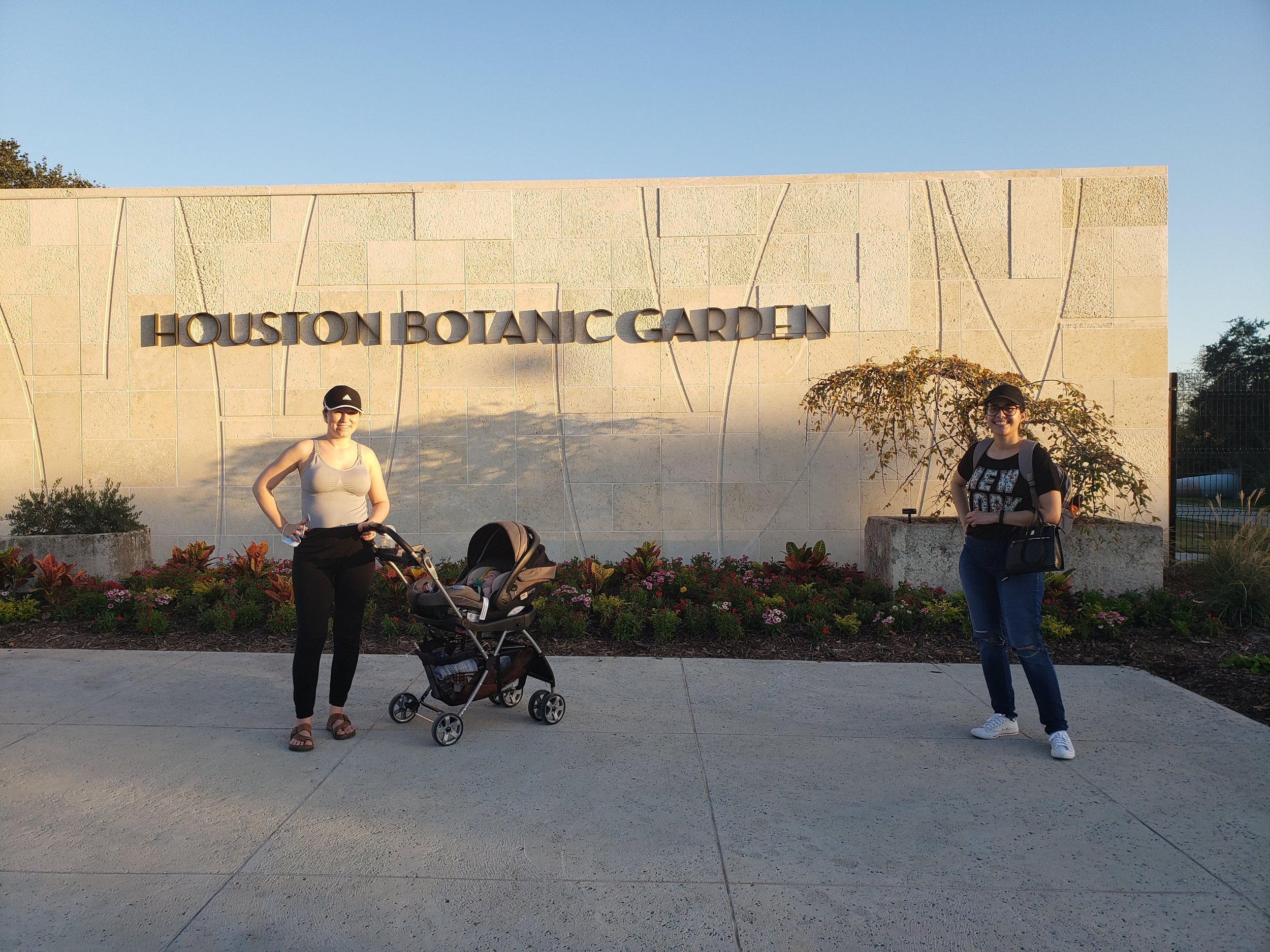
Norgerie: I’m including the Houston Botanic Garden and the Houston Museum of African American Culture in my personal archventures list. We should go the next time you visit me. I haven’t been to the Museum of African American Culture, but I’ve been to the Botanic Garden, and it’s gorgeous. It opened on Sept 18, 2020, and I remember going in early 2021 socially distancing with my friend Kelly. If I find pictures I’ll post them on the shownotes.
Lizi: Ooo yes! Let’s go. And I would also love to see some pics if you have them.
Jessica: love it - from the pictures online the park looks lovely
Norgerie: Drucie never stopped being involved. A week before she passed away she went to visit the Houston Botanic Garden and according to her friend that went with her, Drucie was proud to be a part of it coming to life. After that she was a panelist in a University of Texas/Rice Design Alliance webinar discussing the history of her home in Third Ward designed by her husband.
Lizi: I love that she was doing things right to the very end. No surprise for our ladies though.
Jessica: for real
Norgerie: Drucie passed away on January 19 2021
Lizi: Wow she lived a long full life, and sounds like she was very involved the entire time.
Jessica: It's also just nice to see how she continued her husbands legacy as well.
Lizi: Did John pass away before her? What happened to his firm? Did Drucie keep it going? Did John and Drucie stay involved with NOMA throughout their lives?
Norgerie: John passed away in 2012, he would have been around 87 years old. From what I can tell the firm did not keep going after his passing. I do believe they both stayed involved with NOMA through their various outreach, volunteer, networking efforts. John was a president of NOMA in 1975, he was the recipient of the NOMA Design for Excellence Award for four consecutive years, and in 1980, President Jimmy Carter called John to serve on the United States Commission on Fine Arts. In 2018 the Houston Chapter of NOMA did an exhibition called Chasing Perfection in honor of him, I bet Drucie was there front and center. I would say this was a trailblazing power couple their whole lives.
Lizi: Amazing, really glad we got to learn so much about NOMA, Drucie and John today.
Norgerie: Alright, now we have reached the second part of our episode, the Caryatid. A caryatid is a stone carving of a woman, used as a column or a pillar to support the structure of a Greek or Greek-style building. In each episode we choose a “caryatid” -- a woman who is working today, furthering the profession through their work, and who ties into the historical woman of our episode. Drum roll please… Cheryl McAfee and Roberta Washington the first two women to be NOMA presidents.
Lizi and Jessica: (applause) Yeay!
Norgerie: I was so inspired by these two ladies, I could not pick one, so now we get to learn about both! I’ll start with Cheryl McAfee. She was born in 1958 in Wichita, Kansas. Her mom was Gloria Myrth Winston, a public school teacher and principal. Her dad was Charles F. McAfee, an architect who founded the architecture firm Charles F. McAfee Architects, Engineers, and Planners. Today the firm is called McAfee3.
Lizi: Love that!
Jessica: yeahhh I love it!
Norgerie: Cheryl’s sister, Charyl, with an A, Frena McAfee-Duncan, is also an architect and works at McAfee as a Principal based in the Dallas office. They have offices in Texas y’all!
Jessica: yeahhhh
Lizi:Woooo!
Norgerie: Ok back to Cheryl with an E, She graduated with a B.Arch in 1979 from Kansas State University; and three years later with an M.Arch from Harvard University. While she was at school she interned at The Architects Collaborative (TAC) under Sarah P. Harkness.
Jessica: We talked about TAC during episode 139, Judith Chafee, It was a group that started a firm and organization that I think most folks recognize Walter Gropius as being a part of.
Norgerie: After the internship she began working at McAfee in 1981. Then in 1990, she was the first woman to receive an architecture license in the state of Kansas. Which blows my mind that we were alive or about to be by the time this happened. I could barely believe it.
Lizi: That is wiiiiild. Although didn’t we have an episode in Kansas recently where the AIA was like we will not let you in lady?
Jessica: well considering that in 1971 they had the discussions of starting NOMA. It doesn’t surprise me, unfortunately
Norgerie: That same year she moved to Atlanta to prepare to lead the design and construction for all 33 sports venues of the 1996 Olympics in Atlanta. To this day the firm has offices in Wichita, Atlanta, and Dallas.
Lizi: Wow! That’s such a cool commission! I love the Olympics, so that would be super fun. But also really challenging haha. So many buildings etc.
Jessica: okay now this is giving me Norma Sklarek Vibes - designing such prestigious and iconic buildings
Norgerie: Somehow she found time for volunteering and activism. She had been an active member of NOMA and in 1995 became president of the organization, making her the first female president of NOMA.
Lizi: YESSSS Get it Cheryl!
Jessica: Yeah she is!
Norgerie: Which brings us to the second female president of NOMA, Roberta Washington, lets learn about her now.
Lizi: Let’s do it.
Norgerie: Roberta has a really cute architecture origin story. When she was in middle school she had an assignment to write about three professions she was interested in, she had two in mind. So her mom suggested she interview their next door neighbor. And that neighbor happened to be an architect. After she heard about architecture from an architect, she was hooked.
Lizi: That’s so cute! I love that she got inspired by her neighbor.
Jessica: That’s actually really cute.
Norgerie: She had a goal, become an architect. In pursuit of this she achieved a B.Arch from Howard University in 1970 and just a year later she received a full scholarship and completed an M.Arch from Columbia University.
Lizi: Way to go Roberta!
Jessica: LOVE
Norgerie: During her school years, Roberta was a highly involved student. She was an active participant of the AIA and the Alliance of Women in Architecture, AWA.
Lizi: That’s right. Get involved girl.
Jessica: AWA was cool. It started out as a grassroots organization that helped women in the industry - they had job boards, organized conferences, and workshops. It’s a very cool group
Norgerie: She also helped on the mission to shine a light on the legacies of Black architects.. She researched and wrote about the first two black women to become licensed architects in the US, Beverly Loraine Green and Georgia Louise Harris Brown.
Lizi: Yess! We have an episode about these two ladies. Episode 8. Check it out if you haven’t already.
Jessica: yeahhhh I think I used her work as a reference
Norgerie: After Columbia, she moved to Mozambique where she invested four years working on hospital and housing projects. Then in 1983, she began her own firm Roberta Washington Architects. At the time, this was one of very few architecture firms in the United States led by an African-American woman.
Lizi: ooooo very cool. I like that she went and got international experience. And way to go, coming back and starting your own firm!
Norgerie: And now we arrive at the moment we've been waiting for, in 1997 she followed Cheryl and became the second female president of NOMA.
Lizi: WOO!
Jessica: yeahhhh
Norgerie: She has continued her journey of collaboration, involvement, and leadership throughout her career. She was elected to the Board of Directors of the Society of Architectural Historians in 2021. And today she is on the board of The NOMA Foundation
Lizi: Amazing! So the NOMA Foundation is a non-profit that was founded in 1976 to support NOMA. They fund educational, cultural, and historic initiatives that promote diversity in design. Their goal is to grow the number of licensed minority architects and they do this through fellowships, scholarships, and mentorship of underrepresented students.
Jessica: Here here
Lizi: Wow Roberta is also involved in all the things. I can definitely see the connection between Cheryl, Roberta, and Drucie. Not just the NOMA connection, although that’s definitely part of it, but all three of them are very involved in organizations trying to promote their communities.
Jessica: This is such a great second episode for this season. Talk about a collective impact!
Norgerie: Before we say goodbye we want to say thank you to CMYK for the music, John W our technical advisor. And most of all thank you for listening!
Lizi: Remember to check out our show notes for links to all of our resources on this episode as well as pictures of projects we’ve talked about.
Norgerie: We hope you enjoyed learning about today’s lady and caryatid along with our banter, and that you are inspired to find out more about them and other amazing professional ladies. Again, thank you.
Jessica: Please let us know what you thought of our episode. If you’ve enjoyed it please help us spread the word. Tell your friends and give us 5 stars on Itunes and Spotify, and write us a review, this will all help us reach a wider audience and for more people to learn about these amazing ladies with us.
Norgerie: Your support means everything to us. If you’ve enjoyed our content and want other ways to help us with our mission, you can support us by visiting our website for merchandise.
Jessica: If you don’t need any more swag, but you’d still like to consider supporting the research we’re doing, you can donate to us on our website shebuildspodcast.com/donate or you can buy us a coffee at buymeacoffee.com/shebuildspodcast. You can also find links to all of these items on our website.
Lizi: She Builds Podcast is a member of the Gābl Media podcast network. Gābl Media is curated thought leadership for an audience dedicated to building a better world. Listen and subscribe to all the shows at gablmedia.com. That’s G A B L media.com.
Norgerie: We are excited to hear from you and for you to come back and keep learning about bosses with us. You can email us your thoughts at shebuildspodcast@gmail.com, leave a comment on our website shebuildspodcast.com, or follow us on instagram and facebook @shebuildspodcast, and on X @shebuildspod. See ya!
Special Shoutout: Check out the podcast episode below!
Surface, Beyond, and Beyond Surface. “25: June Campbell | NOMA Stories From a Purple Spectrum - Beyond the Surface.” Beyond the Surface - Architecture and Design Podcast, 17 Feb. 2026, beyondthesurfacepodcast.org/25-june-campbell-noma-stories-from-a-purple-spectrum.
References
Howard, Annie. “Rediscovering NOMA’s ‘Forgotten’ Founding Members.” Architect, 27 Oct. 2022, www.architectmagazine.com/design/culture/rediscovering-nomas-forgotten-founding-members_o. Accessed 6 June 2026.
Johnson Funeral Home. “MRS. DRUCIE CHASE.” Johnson Funeral Home, Jan. 2021, www.johnsonfuneralhomeinc.com/obituary/mrs-drucie-chase. Accessed 6 June 2026.
National Organization of Minority Architects. “History - NOMA.” NOMA, www.noma.net/history.
“Now What?! Advocacy, Activism and Alliances in American Architecture Since 1968.” Now What?! Advocacy, Activism & Alliances in American Architecture Since 1968, 27 Sept. 2019, www.nowwhat-architexx.org. Accessed 6 June 2026.
Sablan, Pascale. “A Brief History: The National Organization of Minority Architects.” NARB, 4 Mar. 2020, www.ncarb.org/blog/a-brief-history-the-national-organization-of-minority-architects. Accessed 6 June 2026.
Surface, Beyond, and Beyond Surface. “25: June Campbell | NOMA Stories From a Purple Spectrum - Beyond the Surface.” Beyond the Surface - Architecture and Design Podcast, 17 Feb. 2026, beyondthesurfacepodcast.org/25-june-campbell-noma-stories-from-a-purple-spectrum.
Wellington, Paul and National Organization of Minority Architects. “50 Years of NOMA: A Timeline.” Architect, 8 Nov. 2021.
Wikipedia contributors. “National Organization of Minority Architects.” Wikipedia, 13 Apr. 2026, en.wikipedia.org/wiki/National_Organization_of_Minority_Architects.
She Builds Podcast is a proud member of the Gābl Media network. Come join us!
Introducing the Gābl Media AEC Community Memberships. An interactive community platform for you, our audience! Ready to Start? JOIN NOW. Already a member? Login, gain instant access to the community, resources, and the most convenient way to get your continuing education credits.
Be sure to check out: https://gablemedia.com/shebuilds